A green leaf, a few letters on a back label… Certifications tell the story of a producer's work. But what do they mean? From vineyard to cellar, here are the keys to understanding a Champagne region that is changing its practices.
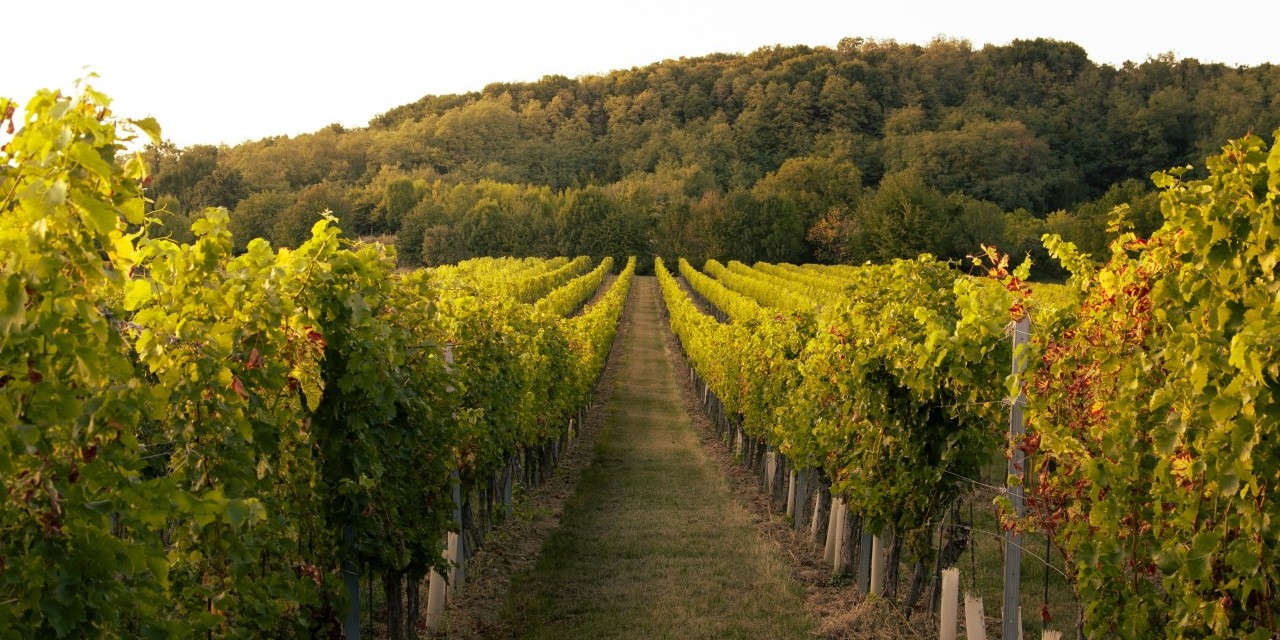
Before the bubbles, there is the land. Soils to care for, vines to protect and decisions to make, season after season.
How can biodiversity be encouraged? Which treatments should be used? How can wine be made while saving energy or reducing bottle weight? Each approach offers answers to some of these questions.
HVE, VDC, organic and biodynamic certification can complement one another, but each has its own scope. Let's explore them.
Champagne in figures
In its 2025 key figures, the Comité Champagne reports that more than 70% of the vineyard area holds environmental certification, with 45% certified Viticulture Durable en Champagne.
Organic growing is also progressing. According to the Association des Champagnes Biologiques, figures for the end of 2025 show:
| Organic growing in Champagne | Figures |
|---|---|
| Estates involved, including those in conversion | 617 |
| Certified organic vineyard area or area in conversion | 2,728 hectares |
| Of which, area in conversion | 532 hectares |
| Share of the region's vineyard area | Around 8% |
These figures overlap: an estate may hold several certifications. Land in conversion is not yet necessarily certified organic.
HVE: looking at the whole estate
HVE stands for Haute Valeur Environnementale (High Environmental Value). This French certification assesses an estate's practices in four areas: biodiversity, crop protection strategy, fertilisation and irrigation.
Hedgerows, trees, grass strips, treatment management and resource use all form part of the assessment. Indicators and independent inspections verify compliance with the standard.
VDC: Champagne's own sustainability standard
Viticulture Durable en Champagne, or VDC (Sustainable Viticulture in Champagne), addresses the region's specific challenges.
The standard presented by the Comité Champagne includes 99 criteria, 59 of which are specific to Champagne's ambitions. It covers vineyard practices, biodiversity, landscape preservation, waste and by-products, and carbon footprint.
Certification is awarded following an independent audit.
Organic: a commitment that begins in the vineyard
Organic champagne complies with European organic regulations for both grape growing and winemaking.
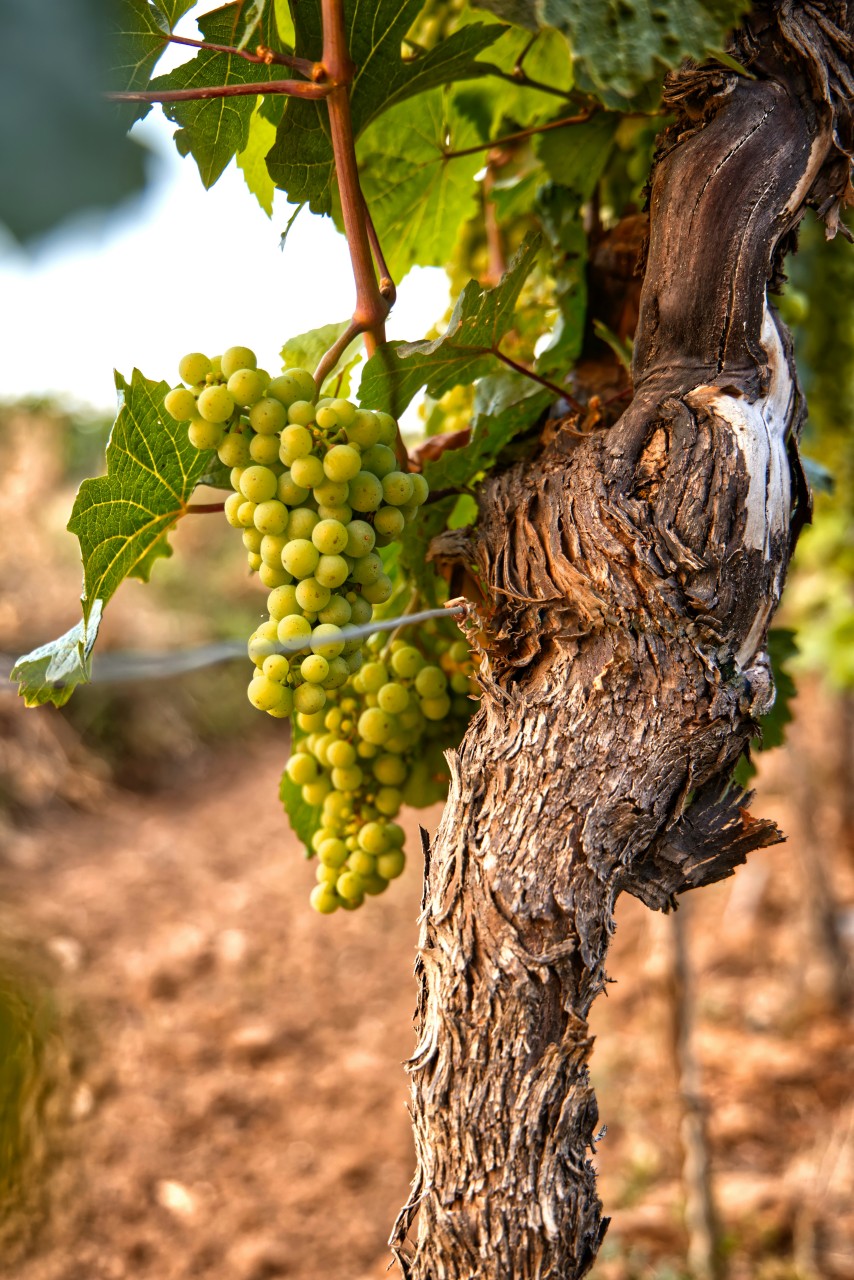
In the vineyard, synthetic herbicides and crop protection products are not permitted. Producers rely on observation, prevention and soil care. Treatments authorised in organic farming may still be used.
In the cellar, practices and inputs are also regulated. Organic standards follow the grapes through their transformation into wine.
Look for the EU organic leaf logo on the bottle. The French AB mark may appear alongside it: these are two signs of the same regulatory framework, rather than two certification levels.
Biodynamics: seeing the estate as a living whole
Biodynamic producers take a holistic view of the relationships between soil, plants and their environment.
Developed from Rudolf Steiner's work, this approach combines agricultural practices such as composting, soil care and support for biodiversity with the use of biodynamic preparations.
Two names often come up on bottles and in conversations with growers.
Demeter: standards from vine to wine
The private Demeter label sets standards for farming and specific rules for winemaking. Soil, biodiversity and biodynamic preparations play an important role.
What about the moon? Some producers take lunar rhythms into account, but this is not compulsory for Demeter certification, according to the organisation itself.
Biodyvin: an approach dedicated to wine
Biodyvin has its own standards for viticulture and winemaking. The association welcomes estates farmed entirely biodynamically or committed to full conversion.
Demeter and Biodyvin are distinct standards, each with its own rules and inspections.
Terra Vitis: responsibility from vine to glass
Present in Champagne, particularly in the Côte des Bar, Terra Vitis brings together the environmental, social and economic dimensions of wine production.
Traceability, working conditions, environmental protection and the long-term viability of estates are all part of this approach.
It offers another path to responsible viticulture, distinct from organic farming.
Two houses, two commitments to discover
Standards provide a framework. Meeting producers reveals how these commitments come to life. Head to Épernay and Damery to discover two houses with their own distinctive approaches.
Champagne Leclerc Briant — Épernay
Organic and biodynamic growing as a signature
At Champagne Leclerc Briant, organic and biodynamic commitments are woven into the house's history and identity.
A pioneer of these approaches in Champagne, the house farms all its own vineyards organically and biodynamically and is listed in the Demeter directory. This deep commitment places respect for soils, care for living ecosystems and the expression of terroir at the heart of its work.
The philosophy extends into the cellar: research into vessels, thoughtful ageing and minimal-intervention winemaking reflect a desire to explore the grapes' full potential.
A fascinating house in which to discover organic growing driven by conviction, where working the land inspires a distinctive vision of champagne.
Champagne Telmont — Damery
A commitment that continues after harvest
At Champagne Telmont, the approach extends to packaging, energy and transport. The house reports using lighter 800-gram bottles, renewable electricity and no air freight.
It also offers organic cuvées such as Réserve de la Terre. Certification applies to the cuvées concerned, while the house continues its conversion process.
A tangible example of how environmental commitment can accompany champagne throughout its journey to the consumer.
Start a conversation on your next visit!
You do not need to know every certification standard to ask good questions:
- What has changed in your vineyards since certification?
- How much of your vineyard area is covered?
- Is this cuvée certified?
- Which initiative makes you proudest today?
These questions often lead to the most interesting conversations: a replanted hedgerow, a new way of observing a plot, an experiment in the cellar or a redesigned bottle.
This is part of discovering Champagne too: understanding the choices of those who cultivate it, then finding their personality in the glass.
Figures: Comité Champagne and Association des Champagnes Biologiques, 2025 data. This article introduces the main approaches found in Champagne; their standards and scope may evolve.